Is SPF 30 Enough? When to Choose SPF 50+
Start with how much UV you’ll get, then choose a sunscreen you can apply generously, reapply on time and comfortably keep using.
Broad-spectrum SPF 30 is a reasonable starting point for many everyday situations. Apply it generously and evenly, and reapply as directed. Broad-spectrum SPF 50+ can offer extra sunburn protection during prolonged or intense UV exposure. Check water resistance if you will swim or sweat heavily. WHO sun protection guidance
Our engineers raised a practical question: are some high-SPF sunscreens more likely to sting, cause an allergy or trigger breakouts? That is worth recording and testing. The available evidence does not establish that the SPF 50+ rating itself makes allergy or acne more likely. To investigate a reaction, compare the finished products and how they were used.
What does the SPF number measure?
SPF is the ratio of the UV doses needed to produce a defined redness response on protected and unprotected skin in a standard test. It mainly reflects UVB-related sunburn protection. It is not an exposure timer. Look separately for broad spectrum or another locally recognised indication of UVA protection. FDA on SPF and broad spectrum
A common approximation is that correctly applied SPF 30 filters about 97% of UVB, while SPF 50 filters about 98%. That comparison uses SPF 50. Products labelled SPF 50+ need not have an identical measured value. The figures do not predict a day’s protection because thin application, missed spots, rubbing and water change coverage. Cancer Council’s comparison
The plus sign is a labelling category. The European Commission recommends SPF 50+ for a measured SPF of at least 60. Malaysia’s NPRA issues its own guidance for products whose primary function is sun protection. Check the market behind an imported product’s label. EU labelling recommendation · Malaysia NPRA sunscreen guideline
When is SPF 50+ worth choosing?
Short, everyday exposure. Broad-spectrum SPF 30 is a reasonable starting point if you can apply enough as directed. The word “commute” tells you little about the UV dose. A long midday wait, walk or ride can still mean strong exposure.
Strong UV or a long day outdoors. Consider broad-spectrum SPF 50+ for the beach, a long hike or time at altitude. Choose a water-resistant product if swimming or sweating, and follow the label. Outdoors, generally reapply at least every two hours and promptly after swimming, sweating or towelling as directed. Add shade, clothing, a hat and sunglasses. FDA application guidance
An outdoor study in Singapore enrolled 63 healthy volunteers and applied SPF 15, 30 and 50+ reference formulas at the same dose on separate test areas. Under those conditions, the SPF 50+ formula performed better on redness and pigmentation measures than the SPF 30 reference. The formulas also differed in UVA protection, so this was a comparison of specific formulas under specified exposure conditions. Singapore outdoor comparison

Does SPF 50+ cause more allergies or breakouts?
Stinging, allergy and breakouts are different reports. Immediate stinging can be irritation, but the sensation alone cannot diagnose an allergy. Contact allergy involves a response to a particular ingredient, which could be a UV filter, fragrance, preservative or another component. A European photopatch study tested specific substances in patients referred for suspected photoallergy. It did not compare allergy rates between SPF 30 and SPF 50+. DermNet on sunscreen allergy · European photopatch study
For acne-prone skin, look at the finished product. The American Academy of Dermatology recommends looking for a non-comedogenic label as a screening clue. The SPF number itself cannot tell you whether a formula will clog pores. If a product seems to cause marked irritation or a rash, stop that product. Seek a dermatologist’s assessment if symptoms are pronounced, persistent or recurrent, and keep using shade and protective clothing in the meantime. AAD guidance by skin type
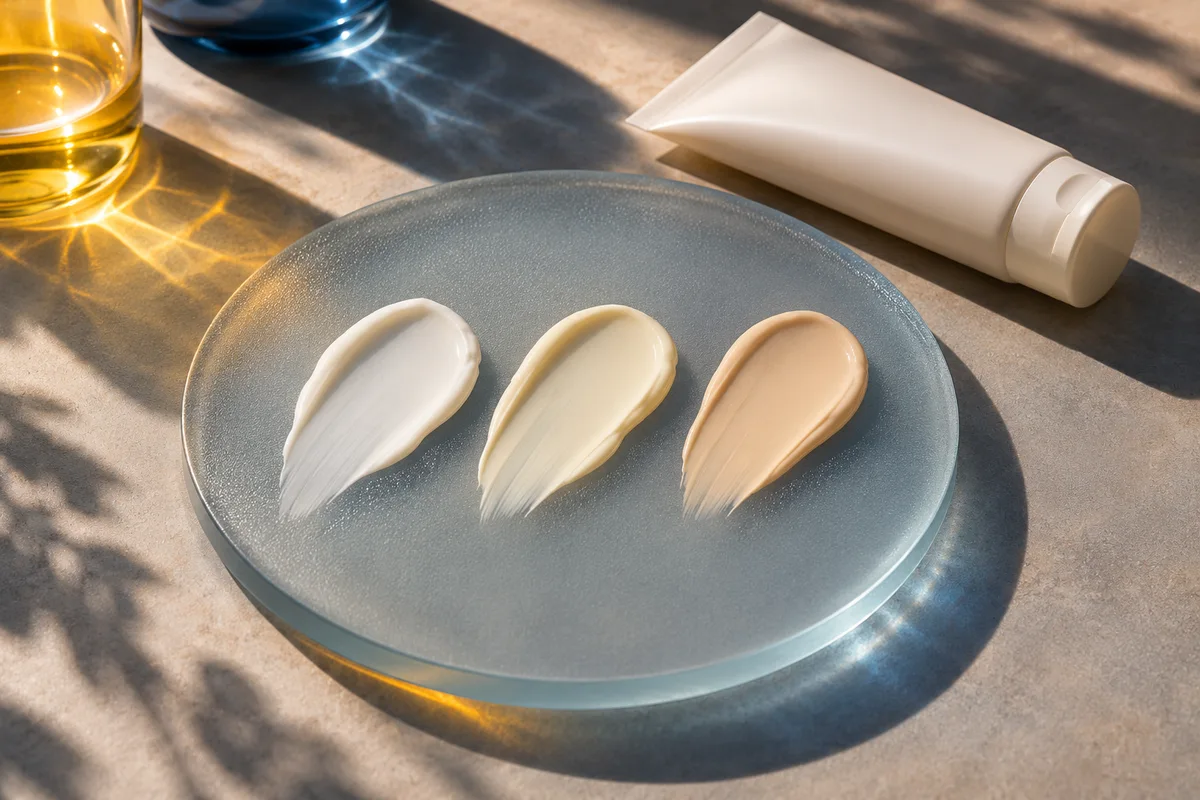
An ODM brief that can test the observation
I would put the intended routine and launch market in the brief before scheduling finished-product tests. For a daily lotion, prioritise feel at an adequate application, visible cast and layering. For outdoor use, add reapplication experience after sweat or water and the evidence for any water-resistance claim. Check separately which reports support SPF, UVA protection and water resistance.
If two samples have different SPFs and also differ in their filters and vehicles, a wear trial compares the finished products. Record stinging, rashes and acne-like changes separately using the same observation window, and have appropriate professionals review the findings. Consumer trials can tell you about use experience. Safety and efficacy claims need a study and evidence suited to each claim.
For Malaysia, start with NPRA’s primary sunscreen guideline. Indonesia’s BPOM has published specific guidance on evidence for SPF claims. Put the market, primary use, SPF/UVA target and proposed wording in the same sampling brief. NPRA sunscreen guideline · BPOM on SPF claims · Share your sunscreen brief with Fubao
Sunscreen questions
Can I apply less or skip a reapplication with SPF 50+?
No. Apply generously and evenly and reapply as directed. A higher SPF on one area does not protect skin you missed.
Does SPF 50+ always protect better against UVA than SPF 30?
You cannot tell from the SPF number alone. Check broad-spectrum or locally recognised UVA labelling. Some markets link UVA performance to SPF, so compare within the same labelling system.
If my SPF 50+ stings, should I switch to SPF 30?
Stop the product that is causing discomfort. Then look for a broad-spectrum formula you can tolerate at a protection level suited to your exposure. Check the actual ingredients and vehicle, and seek medical advice for recurrent rashes or persistent reactions.