Men’s Skincare and Makeup: Where Brands Can Start
From a moisturiser someone reaches for every day to subtle coverage for a video call, the opportunity starts with a use case customers will come back to.
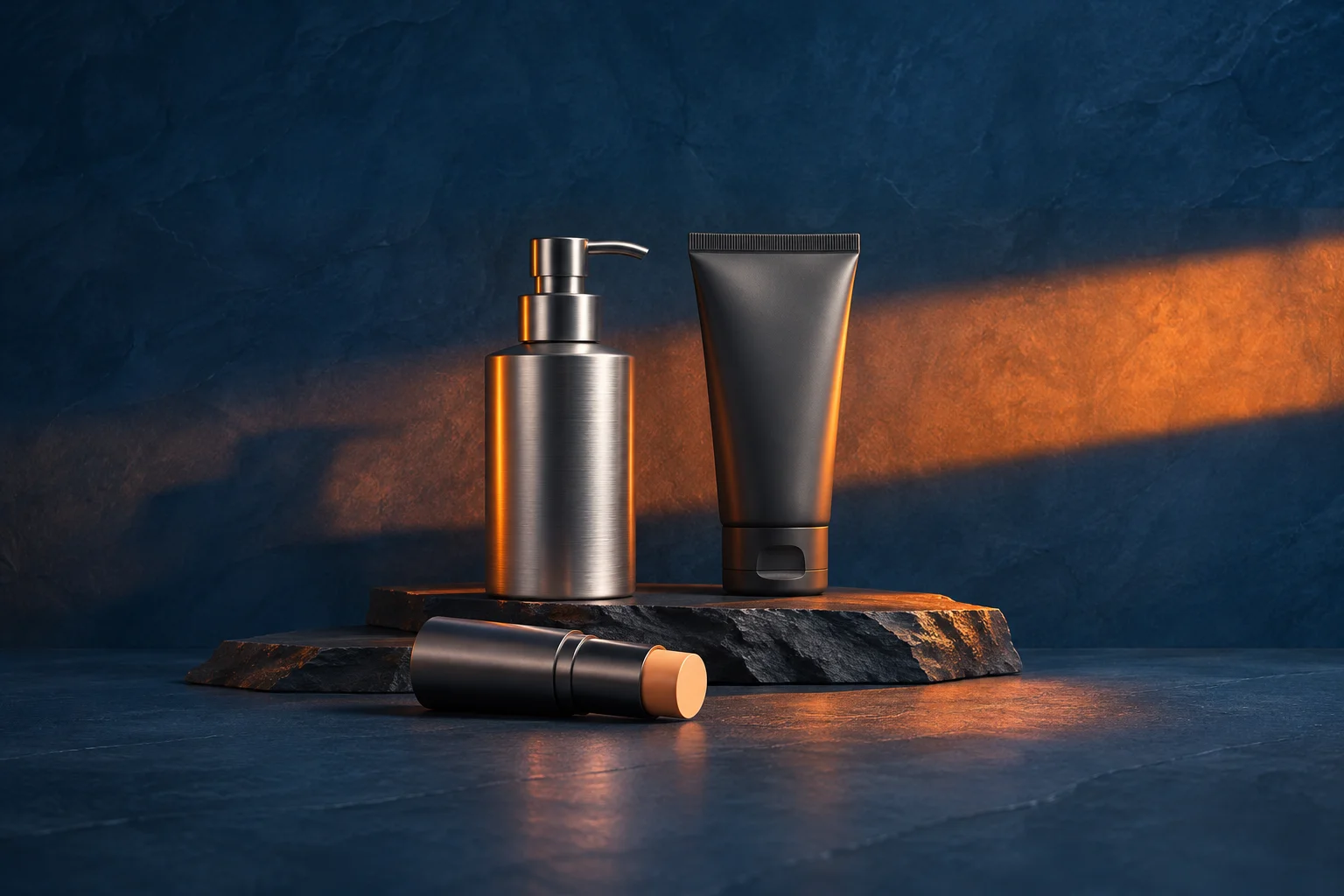
Men’s beauty offers two opportunities worth testing separately: everyday skincare that earns repeat purchases and subtle makeup for specific situations. A moisturiser needs to fit a routine. A concealer or tint needs to match real skin tones and look right when worn.
If I were planning the first launch, I would pick one use case and look for trial and purchase behaviour in the target market before expanding. US skincare adoption and Indonesian makeup trial tell us about different behaviours, populations and dates.
Three demand signals and what they measure
- 31% → 52%
- US men using facial skincare, Mintel, 2022 and 2024
- 42% → 68%
- US Gen Z men using facial skincare, Mintel, 2022 and 2024
- 55.4%
- Indonesian male survey respondents who said they had tried facial makeup, MEN/O/LOGY Index 2024
How to turn survey results into a product hypothesis
Mintel’s 2024 release measures facial skincare use in the US. Gen Z men were aged 18–27 in the 2024 figures. The data help explain a change in habits. They do not estimate repeat purchase in Southeast Asia. Mintel’s US survey
MarkPlus, ZAP and their partners surveyed roughly 1,500 Indonesian men aged 15–55 online from October to December 2023 for the MEN/O/LOGY Index 2024. The 55.4% figure covers self-reported trial of facial makeup, which might have been for a photo, an event or everyday wear. That is a group worth interviewing about what happened after the first use. Indonesian survey and methodology
ASMARQ’s 2022 quota-based online study surveyed 2,100 men across seven markets, including Malaysia and Indonesia. Many Malaysian respondents in its cream preference question expressed no clear preference between men’s and women’s products. I would use the same sample to test two descriptions in the target channel, one led by “for men” and one by the use case. ASMARQ’s cross-market survey
Everyday skincare: earn a place in the routine
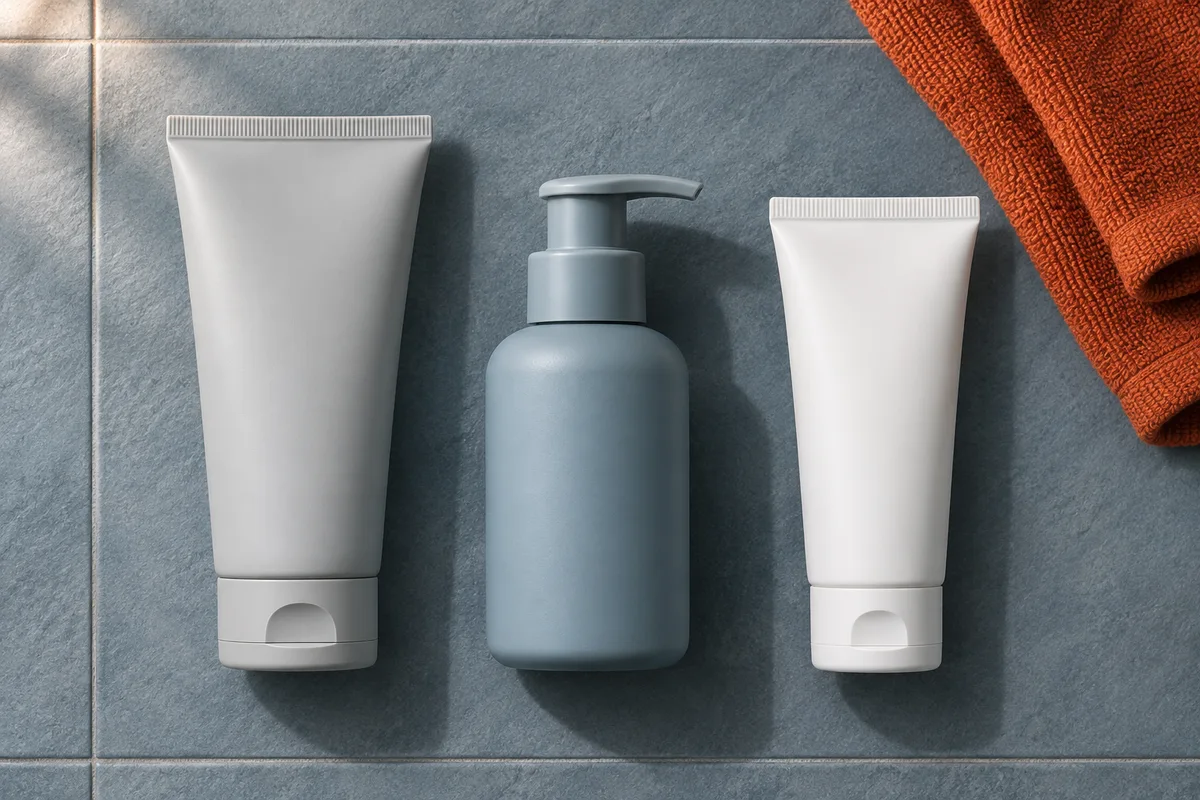
I would start with what people already do. If customers cleanse but skip moisturiser because it feels sticky, a light moisturiser is a sensible first test. If they already moisturise and often skip sunscreen, find out whether the reason is feel, visible cast or simply forgetting to carry it. Build target-market classification, testing and claims work into the schedule for a sunscreen project.
Before sending samples, I would turn “light feel” into questions. Does it stay tacky in humid conditions or in an air-conditioned room? Does it leave residue at the beard line? Does it pill under the sunscreen participants already use? Ask when they reach for it again, and track usage, paid conversion and repeat purchase separately.
Subtle makeup: make shade choice and finish easier
Video calls, ID photos and events are useful situations to test. For beginners, a spot concealer or a sheer tint that evens the look of skin may be easier to understand than a full makeup range. I would start with one use case and one format, then record why people abandon it, such as shade confusion, conspicuous coverage, transfer or difficult removal.
Shade tests should cover depth, undertone and the beard line. Let customers check the result in daylight and indoor light. Record colour after blending and after setting, along with transfer and removal. Use observed shade-match rates to plan the first range, then review returns and repeat orders before adding shades.

Malaysia and Indonesia: build the ODM validation plan
Set the audience, product and acceptance criteria
Brief your lab on the target user, moment of use, current alternative, retail price band, launch channel, pack and proposed claims. For a moisturiser, record feel, layering, stability and dispensing. For a tint, add fit across shades, transfer and pack compatibility. Agree on landed cost and the stock implications of adding shades before scaling.
Review market entry and claims separately
In Malaysia, check NPRA’s cosmetics notification and claims guidance. In Indonesia, check the notification pathway under BPOM Regulation 20/2026. Indonesia’s BPJPH says PP 40/2026 extended the cosmetics halal certification transition through 17 October 2028. Have the local responsible party confirm what applies to your import, certification and any halal label. Malaysia NPRA notification · Malaysia claims guidance · Indonesia BPOM regulation · Indonesia BPJPH transition
If you plan to share a base formula across markets, see the cross-market skincare formulation guide. With a target channel, price band and first format in mind, send Fubao your development brief to discuss samples and validation.
First-launch questions
Does men’s skincare need a different formula?
Not necessarily. Let the target user, routine, sensory needs and finished-product tests tell you whether an existing base needs changing.
Should the first launch be skincare or makeup?
For an audience with an everyday routine need, test one skincare staple. If the channel can support shade selection and there is a clear complexion need, test one targeted makeup format.
How do I distinguish curiosity from durable demand?
For comparable cohorts of first-time buyers, track trial, paid conversion, repurchase after expected depletion and reasons for returns. Keep the channel and observation window consistent across tests.