Why Don’t Skincare Formulas Work Everywhere?
What travels well from the lab to a new market? I look at how the product feels, what it can claim, and what happens to it on the way to the customer.

A skincare formula can serve several markets when the finished product meets the rules, works in the intended routine, and stays within specification in its retail packaging. When one of those conditions changes, the right response may be a different label, a different pack, or a different formula. I work through those decisions in that order, because rewriting a formula also creates more batches, tests and stock to manage.
Imagine a brand developing one daily moisturiser for Kuala Lumpur and Jakarta, with a colder export market planned later. I would start by defining the same consumer benefit in each brief, then check which assumptions about use, claims and distribution can actually be carried over.
A different climate changes the brief
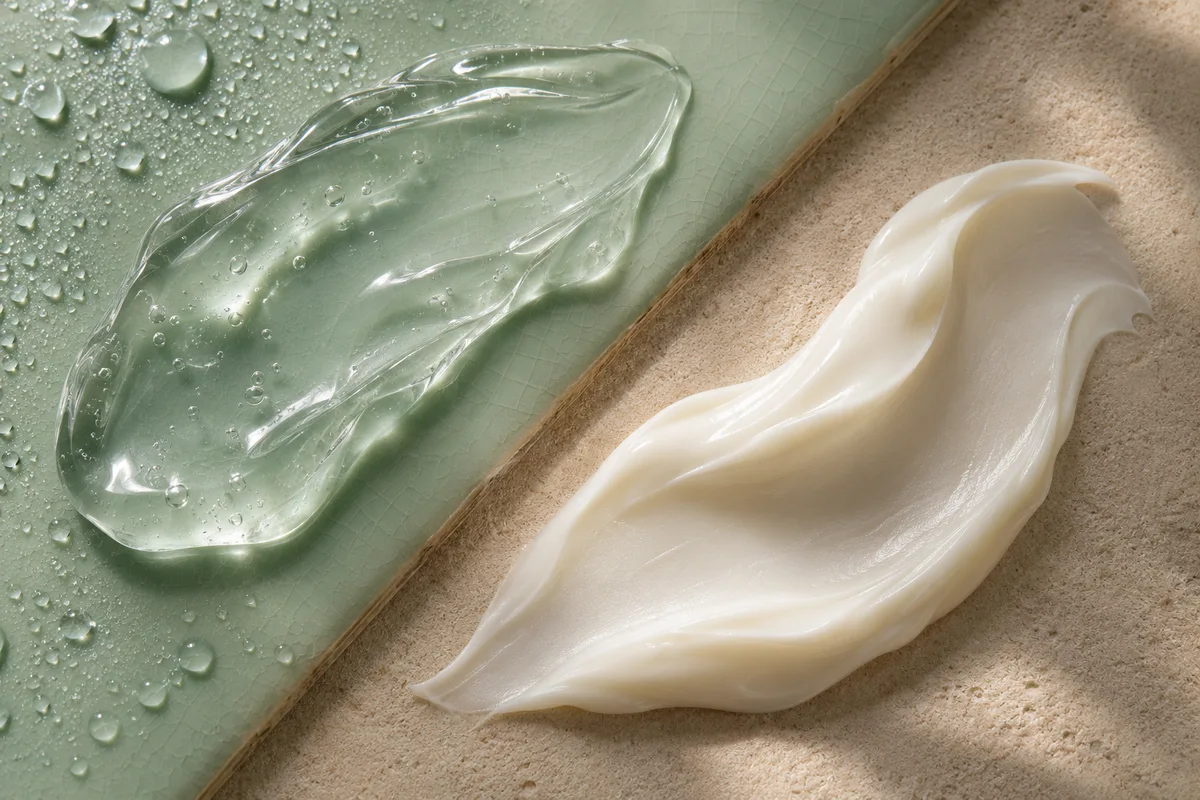
For a moisturiser worn under sunscreen in a hot, humid setting, I would check spread, tack after application, and whether the products pill when layered. For a dry winter routine, I would ask how comfortable the same finish feels later in the day. These are sample-test questions. Air-conditioning, indoor heating and the rest of the routine can matter as much as the city on the label.
I would keep the intended dose, application order and evaluation times consistent, then ask the target users to record stickiness, residue and comfort in the routine we intend to market. If the same sample meets the agreed criteria in both settings, I keep that base. Persistent differences give the formulator a concrete reason to change texture or finish.
Sunscreen shows why the market matters
Sunscreen makes the boundary easy to see. A daily SPF product can take a different regulatory route depending on where it is sold. I screen the category, ingredients, intended claims, supporting evidence and packaging copy before we freeze a sample.
Malaysia and Indonesia
Malaysia’s NPRA uses a cosmetics notification system and publishes specific sunscreen guidance. Indonesia uses its own BPOM notification procedure. BPOM also addresses the evidence used for SPF claims in the product information file. I plan the two submissions separately even when the formula is shared. Malaysia NPRA · Indonesia BPOM notification · BPOM guidance on SPF claims
EU, United States and mainland China
In the EU, sunscreen is handled under cosmetics rules. Check the UV-filter list and its conditions in Annex VI, and match the marketed claims to supporting evidence. In the United States, sunscreen is regulated as a drug. A product using the OTC monograph route must satisfy the applicable requirements. In mainland China, sunscreen is a special cosmetic and requires registration. EU cosmetics regulation · EU criteria for claims · US FDA · China’s cosmetics regulation
I ask for the exact claim and ingredient specification, with the date of the regulatory check, before approving packaging artwork. That gives the regulatory team something concrete to assess while the brand still has time to adjust.
Test the formula inside its final pack
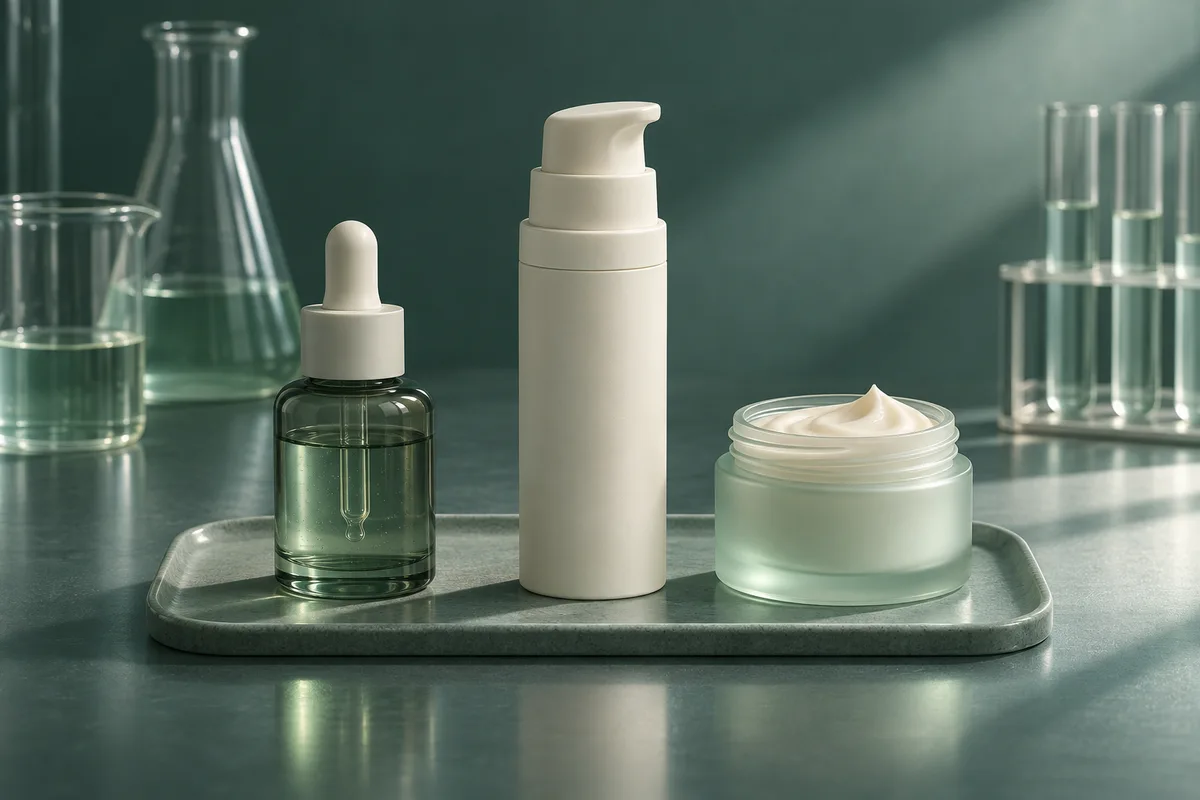
The sample on the lab bench is only part of the product. The customer uses whatever comes out of the real pump, dropper or jar after shipping, storage and repeated opening. I would define the expected temperature exposure and how the pack is used, then agree with the lab which changes would count as a failure.
For an emulsion, those checks might include phase separation, changes in odour or viscosity, leakage and whether the pump can still deliver the intended dose. Evaluate packaging compatibility and microbiological protection where relevant. Match the study to the formula, pack and distribution assumptions. ISO stability guidance · ISO antimicrobial protection guidance · EU safety-report guidance
My default is one shared base. I add a variant only when the evidence gives it a job to do.
What I put in a cross-market ODM brief
For Malaysia and Indonesia, I would give the ODM team one core brief and two market sheets. The brief defines the product. Each sheet records what that market needs to verify.
Define the market and the claim. List the countries, product category, exact claim wording, intended users and any claims to avoid. Assign someone to review ingredients, labels and local filing requirements and record the review date.
Set sample acceptance criteria. Name the benchmark and describe the intended routine, application dose, sensory criteria and packaging format. Set the test evidence and sign-off thresholds before choosing the sample.
Decide what needs to vary. If the difference is language or locally permitted copy, consider a market label. If the failure is leakage or dispensing, assess the pack. If an ingredient restriction or a repeatable performance gap affects the formula itself, assess a variant and agree what must be retested.
Once the target markets are clear, send Fubao your draft ODM brief with the product category, preferred texture, intended claims and launch sequence.
Questions before a wider launch
Can Malaysia and Indonesia use the same skincare formula?
Potentially. Verify the product and its claims in both markets and handle the applicable local notification, label and documentation separately. Keep the formula shared if the finished product and the evidence support both uses.
Does a new market always require a reformulation?
No. Local language, label changes and some packaging changes can be handled without changing the formula. A new pack or transport route still calls for a targeted review of existing evidence.
Can a finished-product report be reused after a change?
Compare the original test sample and marketed product: formula, manufacturing process, direct-contact pack and test conditions. Keep the parts of the evidence that are still applicable, document why, and retest what the change affects.